EN
EN  ES
ES PT
PT SV
SV DE
DE TR
TR FR
FR RU
RU VN
VN ID
ID UZ
UZ MX
MX IN
IN
PET Sheet Production Process
Raw material of PET sheet #pet sheet extrusion
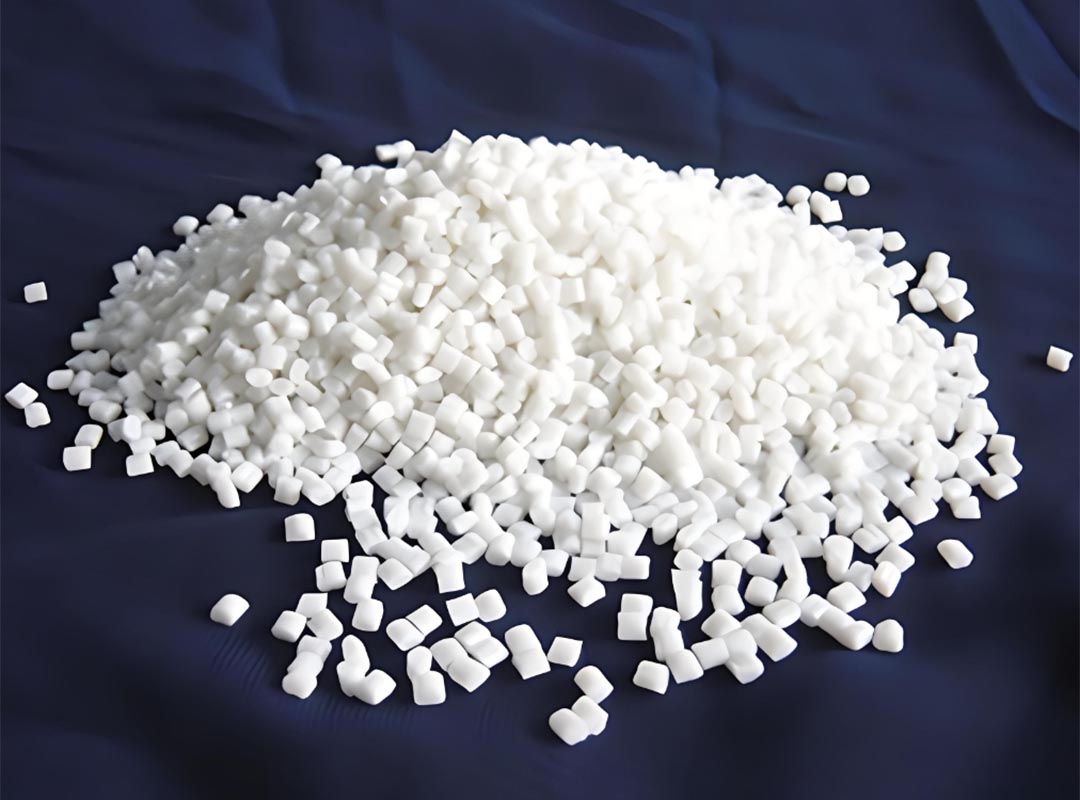
PET sheet, as other plastics,the performance is closely related to molecular weight, and the characteristic viscosity determines the molecular weight. The greater the intrinsic viscosity, the better physical and chemical properties. but the poor fluidity, results in molding difficulty. The lower the intrinsic viscosity is, the worse of physicochemical properties and impact strength are. Therefore,0.8dl/ G-0.9dL /g should be selected for the characteristic viscosity of PET transparent film.
PET production process #extrusora de garrafa pet
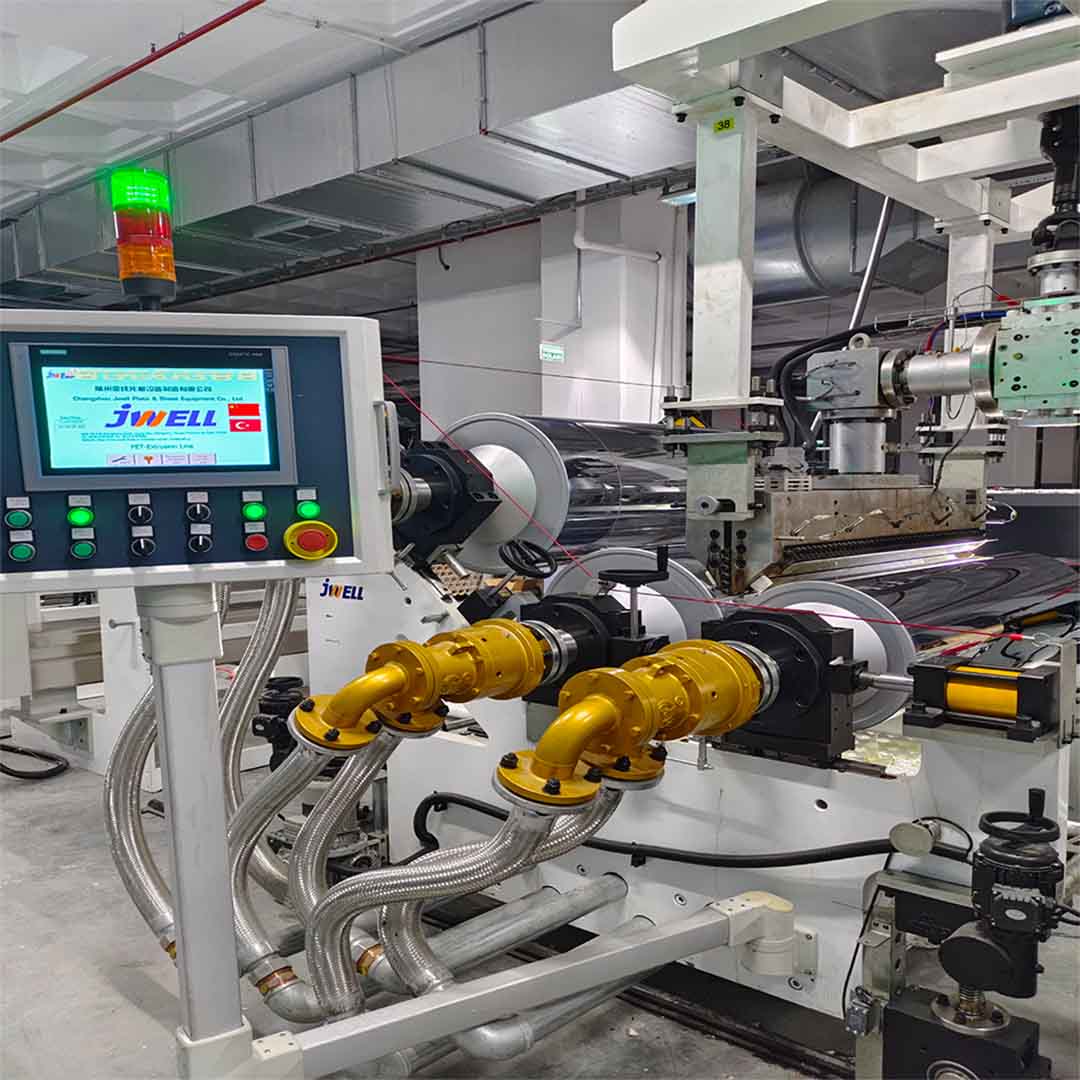
The main production equipment of PET transparent sheet is: crystallization tower, drying tower, extruder, mold head, three-roll calender and coiler.
The production process is as follows: raw material crystallization → drying → extrusion plasticizing → extrusion molding → calendering molding → winding products.
The first step is crystallization. The PET slices are heated and crystallized in the crystallization tower, so that the molecules are arranged neatly, and then the glass transition temperature of the slices is raised, which is aimed at preventing adhesion during the drying process and blocking the hopper. Crystallization is generally an indispensable step, taking 30 minutes to 90 minutes, and the temperature is less than 149°C.
Step two, dry. Due to the hydrolytic degradation of PET caused by water under high temperature conditions, its characteristic adhesion is reduced, and its physical properties, especially impact strength, will be reduced with the reduction of molecular weight. Therefore, the PET must be dried before melting and extrusion to reduce the moisture content, and the moisture content should be less than 0.005%. Due to the hygroscopic property of PET material, water deep into the surface of the slice will form molecular bonds, and some water will exist deep inside the slice, resulting in drying difficulties, so general hot air can not be used. The dew point of the hot air is required to be below -40°C, and the hot air is passed through the closed circuit to the drying hopper for continuous drying. #pe extruder machine.

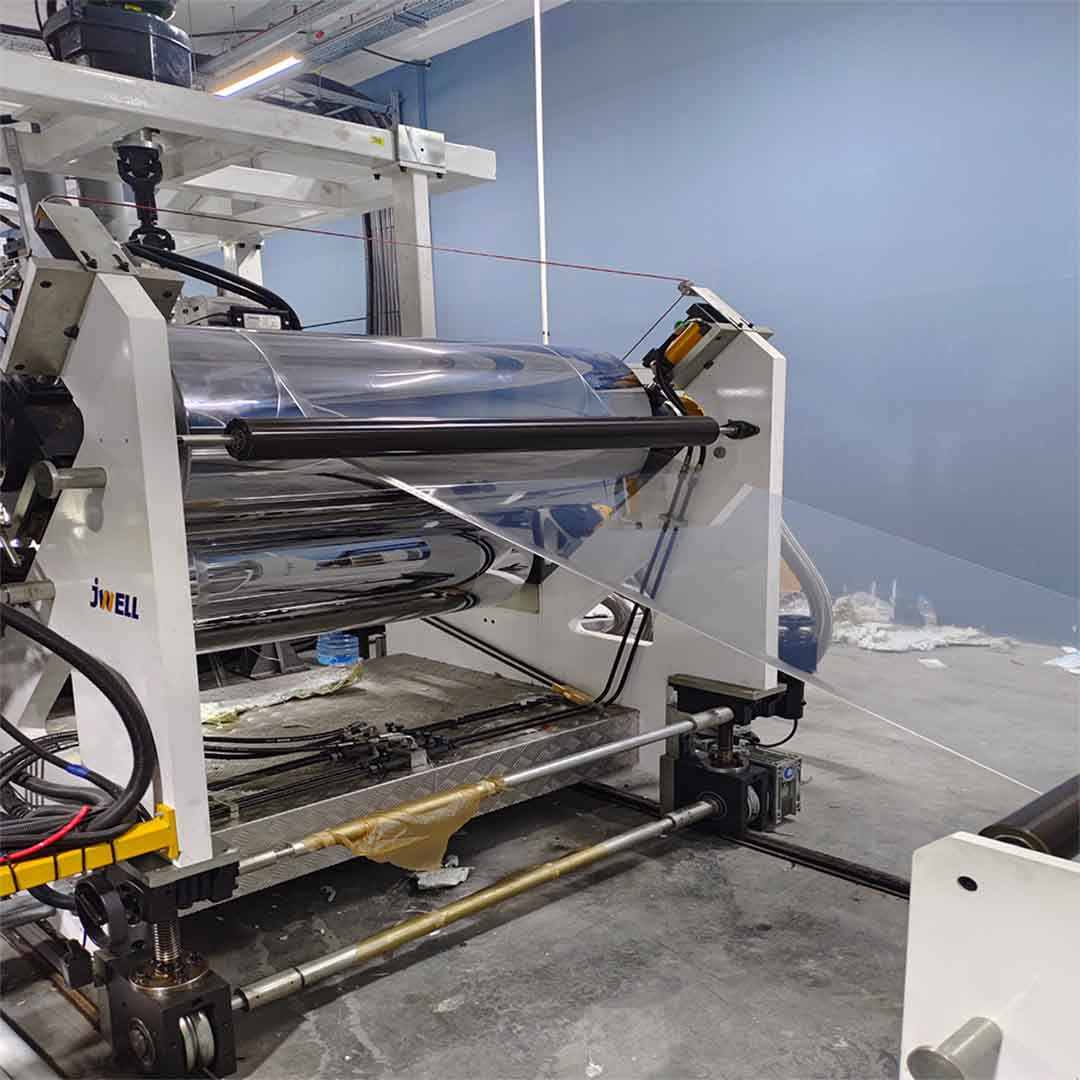
The pictures presented are from JWELL Turkey client’s factory in September. After delivery from Jwell factory to Turkey client’s fatory, Jwell engineer went to the factory to install the PET sheet extrusion machine for thermoforming packaging. #rpet plastic recycling
The third step is extrusion molding. PET is transformed into a polymer with obvious melting point after crystallization and drying, and the molding temperature of the polymer is high and the temperature control range is narrow. The unmelted particles are separated from the melt using a barrier screw specially designed for polyester, which helps to maintain a longer shearing process and increase the extruder's output. The flexible die lip head with flow line stopper rod is used, the head is conical, the streamlined flow channel and the non-scratch die lip indicate the sheet should be good, the heater of the head has the function of draining and cleaning, the head die lip gap should ensure good uniformity, the head die lip gap uniformity directly affects the transverse thickness deviation of the sheet and the flatness of the calendering. The temperature corresponding to the front area, the middle area of the fuselage, the rear area of the fuselage, the net changer and the head are respectively 240°C-260°C, 265°C-275°C, 260°C-265°C, 260°C-265°C, 255°C-265°C. #pet sheet machine
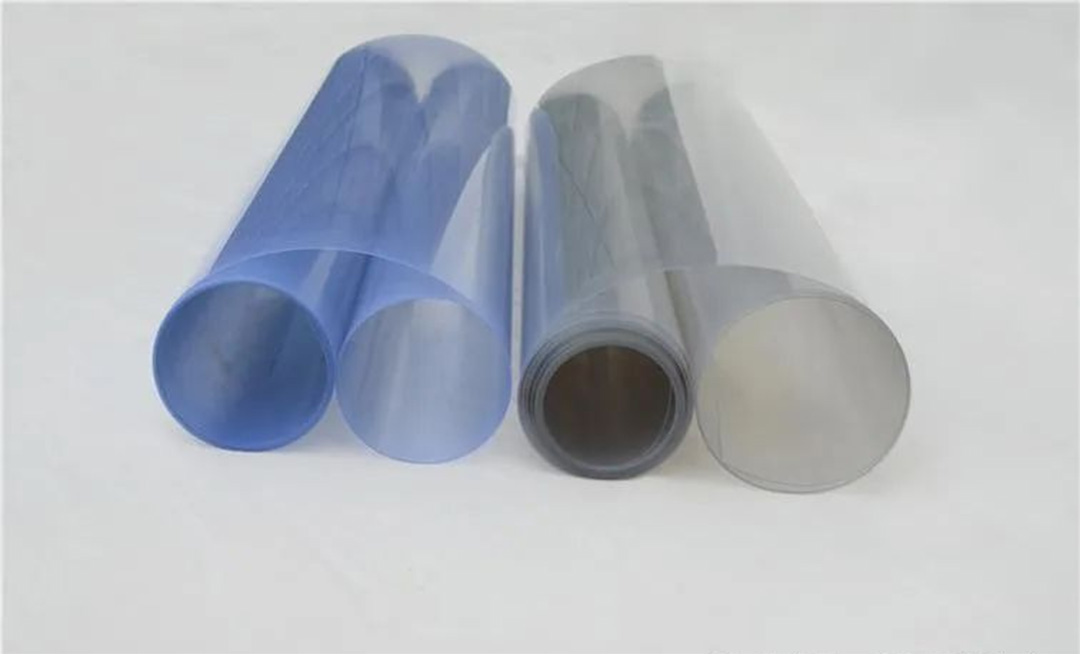
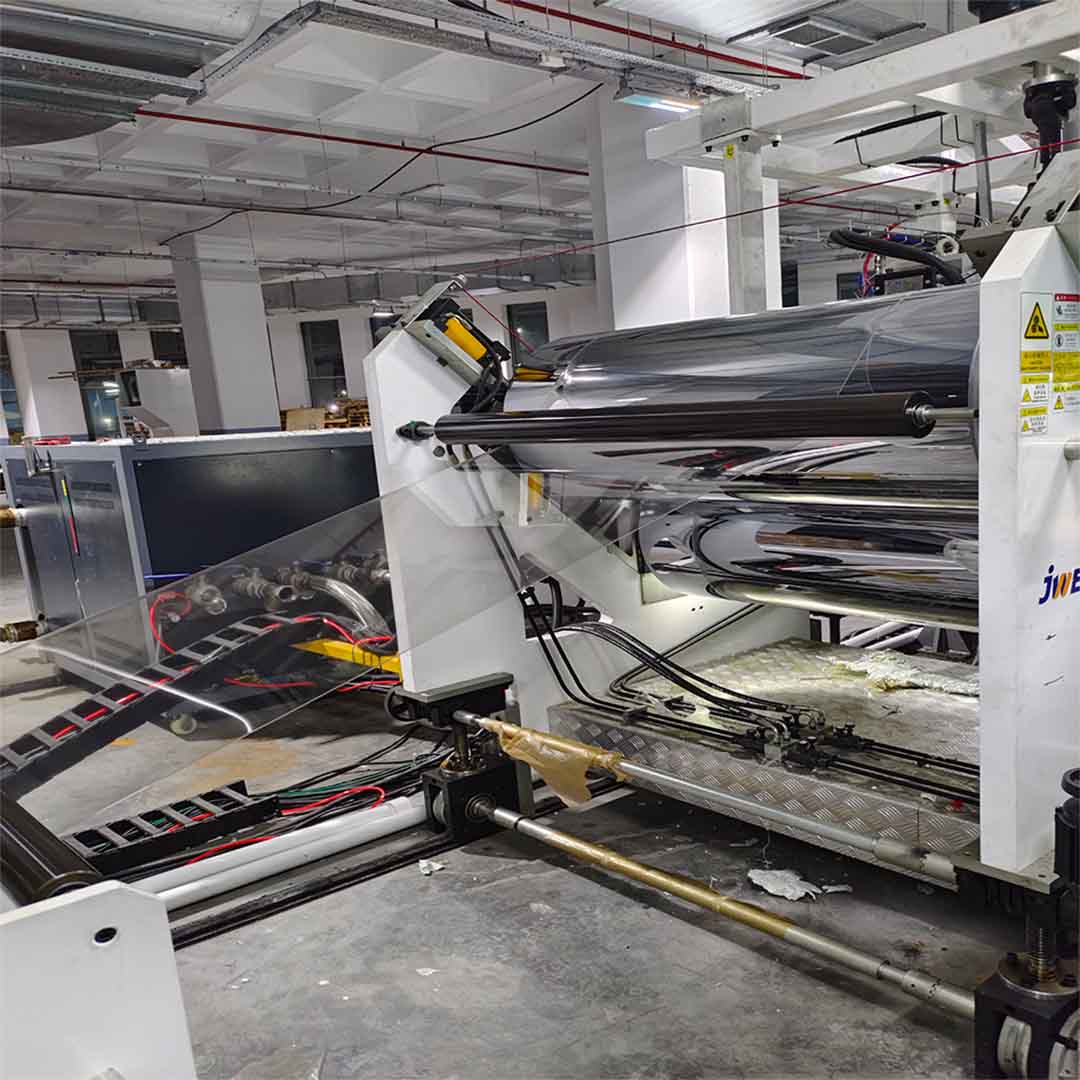
Step four: Cool and set. After the melt comes out of the head directly into the three-roll calender for calender and cooling, the distance between the three-roll calender and the head is generally maintained at about 8cm, because if the distance is too large, the sheet is easy to sag and wrinkles, resulting in poor sheet finish. In addition, due to the excessive distance, the heat dissipation cooling is too slow and the crystallization is white, which is not conducive to calendering. The three roller calendering unit consists of the upper, middle and lower three rollers, the middle roller line is fixed, and the axis of the upper and lower two rollers can be moved up and down when the temperature of the roll surface is 40°C-50°C during the cooling calendering. By moving up and down the axis to adjust the roll gap, the temperature of the upper and lower two rollers is 30°C-60°C, 52°C-68°C, respectively, the three rollers should ensure that the speed is synchronized, the speed should be above the extrusion speed, the purpose is to offset the expansion of the material leaving the die and weaken the internal stress of the sheet, so that the wrinkles disappear. PET will produce crystallization in the range of 100°C to 250°C, and the crystallization rate is 140°C to 180°C when it is faster, so crystallization can be completed in a few seconds. PET needs to quickly pass through this crystallization temperature area and strictly control the three-roll temperature.
Step five: Pull and reel. The sheet comes out through the calender roller and enters the traction device through the guide roller. The traction device is composed of active rubber roller and passive rubber roller, and the pressure of the two rollers is mainly to prevent the sheet from being flattened when the sheet is pulled by the two rollers to the winding device.