EN
EN  ES
ES PT
PT SV
SV DE
DE TR
TR FR
FR RU
RU VN
VN ID
ID UZ
UZ MX
MX IN
IN
How to make PET sheet rolls with extruders #jwell #petsheetextrusion
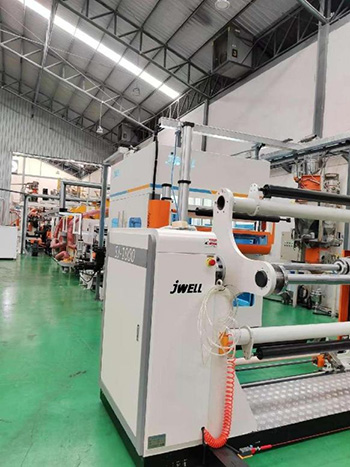
Date: December25th -January15th
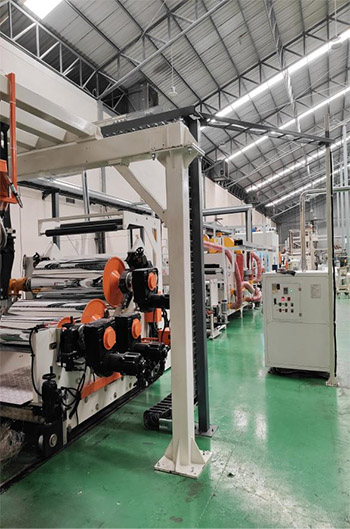
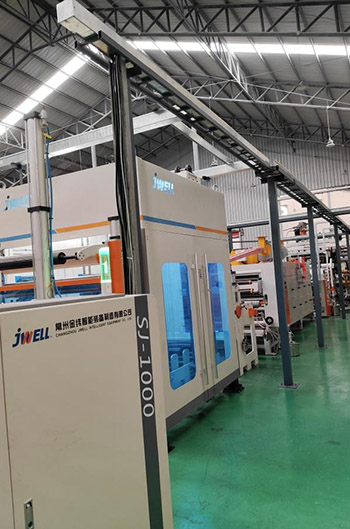
Machine installation site: Client’s factory in Thiland
Machine name: PET co-extrusion: sheet production line
Sheet specification: 0.16-17mm(thickness) width:900mm(after trimming)
Main extruders: Single-screw extruder 150/33; single-screw extruder 80/33
Machine Capacity: 700-800kg/h
Sheet rolls application: Thermoforming packaging
Scene photo: as below: #jwell machinery

Retail packaging---Common types of blister packaging: #petsheetmachine
1. Face Seal Blister
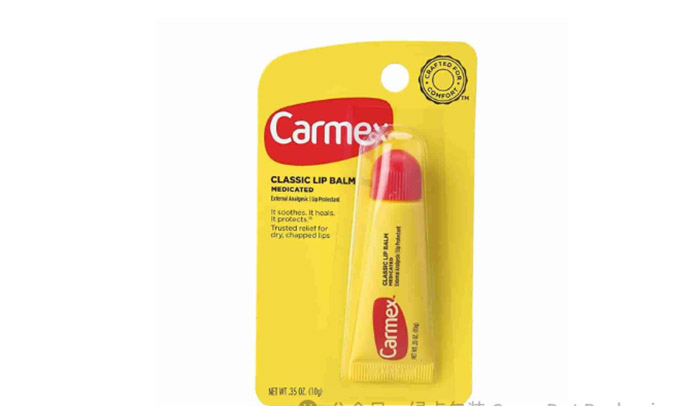
Face Seal Blister seals only where the product is raised and is heat sealed onto a cardboard. The bubble case is sealed only in the position of the product, and the rest of the card is left uncovered.Face-sealed blister is one of the cheapest transparent packaging options. Face-sealed blister is commonly used to pack small, lightweight
2. Full Face Seal Blister
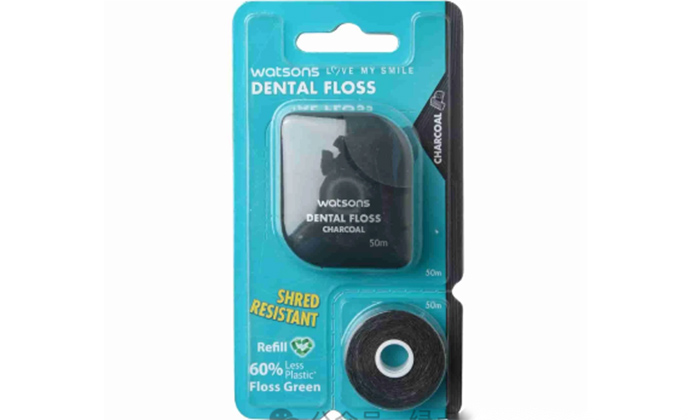
The packaging uses the same method as the face-sealed blister, but it is characterized by the bubble shell covering the entire packaging surface. By fully covering the blister card, the fully sealed blister forms a more durable package - minimizing potential damage to the blister card and enhancing any hook functionality.
3. Trapped Blister
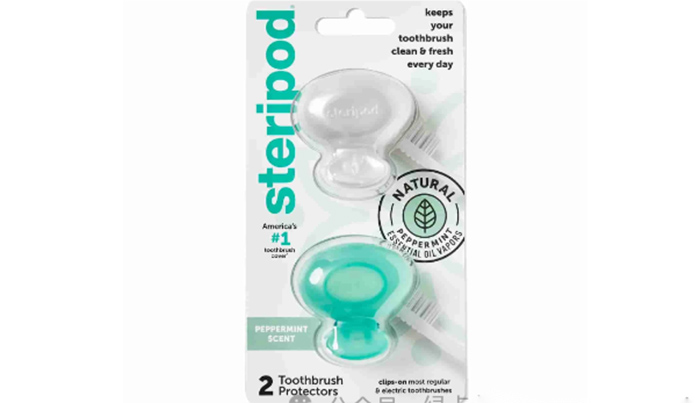
This type is similar to the blister mentioned above but instead of blister being heat-sealed onto the card, the blister is "sandwiched" between a folded piece of cardboard or two pieces of card sealed together.
In closed blister, there is a piece of cardboard in front of the plastic. The front board is die-cut to fit the bubble shell. Then place the plastic blister between the two pieces of cardboard. This packaging style improves stability and protects internal products.
4. Full Card Blister
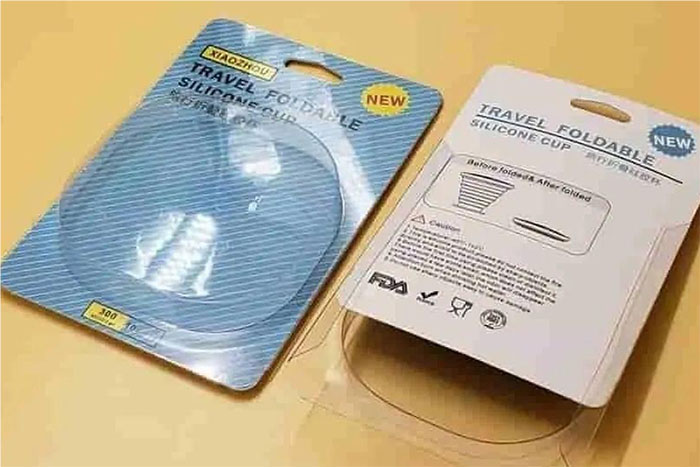
Similar to full sealed blister. The plastic extends to hold the product and covers the entire card. The main difference is how the plastic adheres to the cardboard backing.
As the name suggests, this blister packaging is not attached to the cardboard by heat sealing. Instead, they are assembled by inserting the cards into a plastic blister. The plastic in full card blister is designed with flanges that wrap around the edges of the cardboard to hold it in place.

With nearly 20 years in the intelligent extrusion equipment industry, he has held key roles at Jwell Machinery, including General Manager and Rotating Chairman. Since 2024, he has managed multiple subsidiaries, driving business expansion and industrial upgrades, while leading innovation in intelligent manufacturing and global growth.