EN
EN  ES
ES PT
PT SV
SV DE
DE TR
TR FR
FR RU
RU VN
VN ID
ID UZ
UZ MX
MX IN
IN
Plastic recycling is an important process that helps our planet. By recycling plastic, we can reduce waste and create new products from old materials. Jwell is a company that makes machines to help with this recycling. These machines are designed to take plastic waste and turn it into something useful. The recycling process is not just about getting rid of plastic; it's about giving it a new life.
What is the Plastic Recycling Machine Process and How Does It Work?
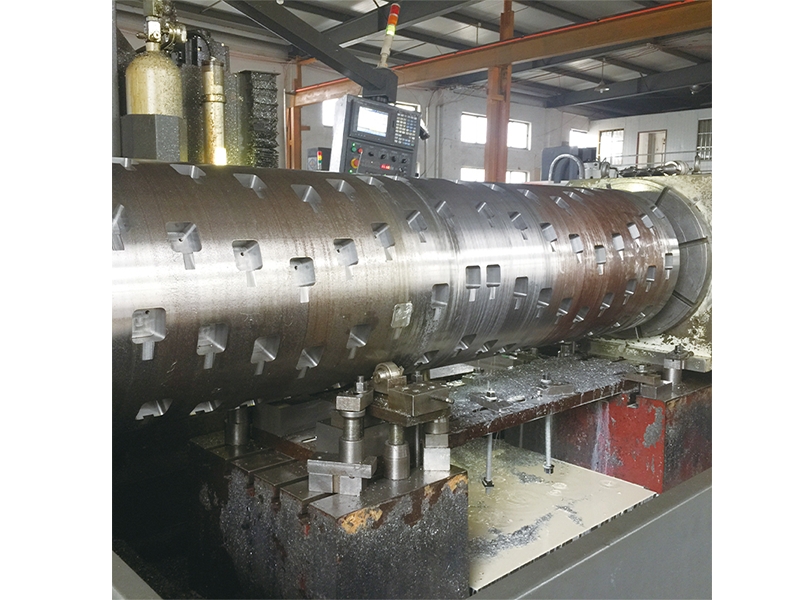
The plastic recycling machine process starts with collecting plastic waste. This waste can come from many places, like homes, schools, or factories. Once the plastic is gathered, it goes to the recycling machine. The first step in the machine is shredding. The plastic is cut into small pieces so it's easier to work with. After shredding, the plastic pieces are cleaned to remove dirt, labels, and other materials. This step is important because clean plastic can be recycled better. The next part of the process is melting. The clean plastic pieces are heated until they become soft and gooey. This melted plastic can then be shaped into new products. It can be formed into pellets, which are small balls of plastic. These pellets can be used to make new items like bottles, containers, or even toys! Jwell's machines are very efficient and help in every step of this process. They ensure that the plastic is processed quickly and with high quality. This means that more plastic can be recycled and used again. The whole process helps reduce the amount of plastic that ends up in landfills or oceans. By recycling, we are caring for our environment and helping to make a cleaner world for everyone.
What Are the Benefits of Investing in Plastic Recycling Equipment?
Investing in plastic recycling equipment , like those made by Jwell, has many benefits. First, it helps the environment. By recycling plastic, we reduce the need for new plastic to be made. This means less oil is used and fewer harmful gases are released into the air. It also helps keep our oceans and land clean by reducing plastic waste. Another benefit is that recycling can save money in the long run. Companies that use recycled plastic often find it cheaper than buying new plastic. This is especially true as more and more people want to use recycled materials. It can also create jobs. When companies invest in recycling machines, they often need workers to operate them, maintain them, and help with the recycling process. This can lead to new job opportunities in local communities. Additionally, using recycled materials can improve a company's reputation. Customers today care about the environment and prefer to buy from companies that show they care too. Investing in recycling equipment not only helps businesses but also brings positive changes to society. In the end, choosing to recycle is a smart decision that benefits everyone.
What Common Issues Do Buyers Face with Plastic Recycling Machines?
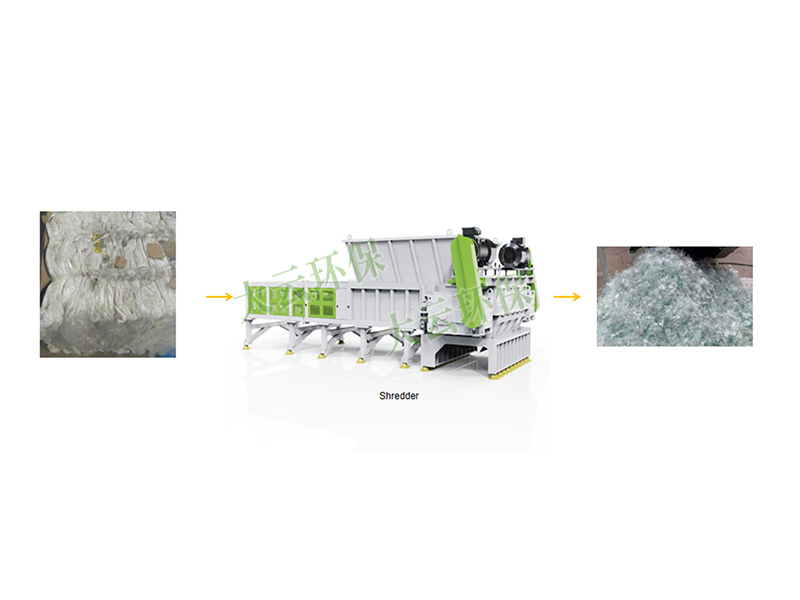
When people think about buying plastic recycling machines, they often run into some problems. First, many buyers are unsure about what kind of machine they really need. There are different types of PET plastic recycling machine, and each one does something special. Some are better for recycling bottles, while others work well for bags or other types of plastic. This can make it hard for buyers to choose the right machine for their needs. Another issue is the cost. Some machines can be very expensive, and not everyone has a lot of money to spend. Buyers want to make sure they get a good machine without spending too much money. They also worry about the maintenance costs. If a machine breaks down or needs repairs, it can be costly and take time to fix. Buyers also need to think about the space they have for the machine. Some recycling machines are big and need a lot of room to operate. If a buyer does not have enough space, they might have to look for a smaller machine, which could limit their options. Lastly, buyers often want to know how easy the machine is to use. If the machine is too complicated, it can be frustrating for workers who need to operate it. Jwell understands these issues and aims to provide machines that are user-friendly, efficient, and designed to meet various needs without breaking the bank.
How to Optimize the Plastic Recycling Process for Maximum Efficiency
To get the best results from a plastic recycling shredder machine , it is important to optimize the recycling process. This means making everything work as well as possible. First, it is crucial to sort the plastic before it goes into the machine. Different kinds of plastic need to be separated because they have different melting points. If they are mixed together, it can lead to problems during recycling. A good sorting system can help with this. Also, cleaning the plastic is very important. When plastic is dirty or has leftover food, it can cause issues in the recycling process. Making sure that the plastic is clean can lead to better quality recycled material. Next, keeping the machine well-maintained is key to making sure it runs efficiently. Regular checks and cleaning can prevent breakdowns and keep everything working smoothly. Jwell recommends setting up a schedule for maintenance to avoid any surprises. Another tip is to adjust the settings of the machine according to the type of plastic being recycled. Different plastics may need different temperatures or speeds for the best results. Finally, tracking the output of the machine can help identify areas for improvement. By keeping records of how much plastic is recycled, operators can find ways to increase efficiency. With these steps, the plastic recycling process can be optimized, leading to a more productive operation.
How to Ensure Quality Control in the Plastic Recycling Machine Process
Quality control is very important in the plastic recycling process. It helps make sure the recycled plastic is good enough to be used again. First, it is essential to have a good system for checking the input materials. Before the plastic goes into the machine, it should be inspected for any contaminants like dirt, metal, or other materials that don't belong there. If bad materials are mixed in, they can ruin the recycled product. Jwell recommends using a pre-sorting system to help catch these contaminants early on. Once the plastic is in the machine, operators should regularly check the machine's settings. The right temperature and speed can make a big difference in the quality of the recycled plastic. If the machine is not set correctly, the end product can be weak or not usable. After the recycling process, it's important to test the quality of the recycled plastic. This can be done by checking its strength, color, and texture. If the recycled plastic doesn't reach specific criteria, it might not be appropriate to manufacture new items with it. Also, it's important to document all quality control tests carefully. Then, operators can check the results and upgrade processes as necessary. By prioritizing quality control, plastic recycling could result in higher quality products and contribute to greater sustainability.
Table of Contents
- What is the Plastic Recycling Machine Process and How Does It Work?
- What Are the Benefits of Investing in Plastic Recycling Equipment?
- What Common Issues Do Buyers Face with Plastic Recycling Machines?
- How to Optimize the Plastic Recycling Process for Maximum Efficiency
- How to Ensure Quality Control in the Plastic Recycling Machine Process

With nearly 20 years in the intelligent extrusion equipment industry, he has held key roles at Jwell Machinery, including General Manager and Rotating Chairman. Since 2024, he has managed multiple subsidiaries, driving business expansion and industrial upgrades, while leading innovation in intelligent manufacturing and global growth.