EN
EN  ES
ES PT
PT SV
SV DE
DE TR
TR FR
FR RU
RU VN
VN ID
ID UZ
UZ MX
MX IN
IN
PVC pipes are made from a type of plastic called polyvinyl chloride, or PVC for short. At Jwell, we specialize in making these pipes through a detailed production process. The process begins with raw materials. We take the Pvc sheet production line and mix it with special additives. These additives help make the pipes strong, flexible, and able to last a long time. Next, we heat the mixture until it becomes soft. This soft material is then pushed through a machine that shapes it into pipes. After that, the pipes are cooled down and cut to the right lengths. Finally, we check each pipe to make sure it meets our high standards. This is how we create durable and reliable PVC pipes that are used in many different industries, such as construction and plumbing.
What Is the PVC Pipe Production Process and Its Benefits for Wholesale Buyers?
The PVC pipe production process is important for many reasons. First, it ensures that the pipes are made with care and precision. At Jwell, we focus on quality. When wholesale buyers purchase our pipes, they know they are getting a product that can handle tough conditions. One benefit is that PVC pipes do not rust or corrode like metal pipes. This means they can last for many years without the need for replacement. For wholesale buyers, this is a big deal. They want to sell products that will satisfy their customers. Another benefit is that PVC pipes are lightweight. This makes them easier to transport and install. If a buyer is working on a large project, saving time and money on transport can be very helpful. Also, the production process at Jwell is efficient. This means we can produce a lot of pipes in a short time. Wholesale buyers can get the amount they need without long waits. Finally, PVC pipes are also good for the environment. They can be recycled, which helps reduce waste. This is a selling point for many businesses today. Overall, choosing Jwell PVC pipes means wholesale buyers can trust they are getting a quality product that brings many benefits.
Insights from the Production Process
When you look closely at the production process of PVC pipes, you can see the hard work and technology involved. At Jwell, we use modern machines to ensure every step is done correctly. We carefully control the temperature and pressure while mixing the materials. This is crucial because it affects the strength and quality of the pipes. Once the mixture is heated and shaped, we have a cooling process that is just as important. If the pipes cool down too quickly or too slowly, they might not be strong enough. That's why we monitor the cooling process very closely. After the pipes are cut to size, we perform quality checks. This can include tests for strength and flexibility. Each pipe must pass these tests before it can be sold. We believe this attention to detail makes a big difference. It helps us create pipes that customers can rely on. The production process at Jwell is not just about making pipes; it's about making sure every pipe is built to last and perform well in real-world situations. By using high-quality materials and advanced techniques, we stand by our commitment to excellence in every product we create.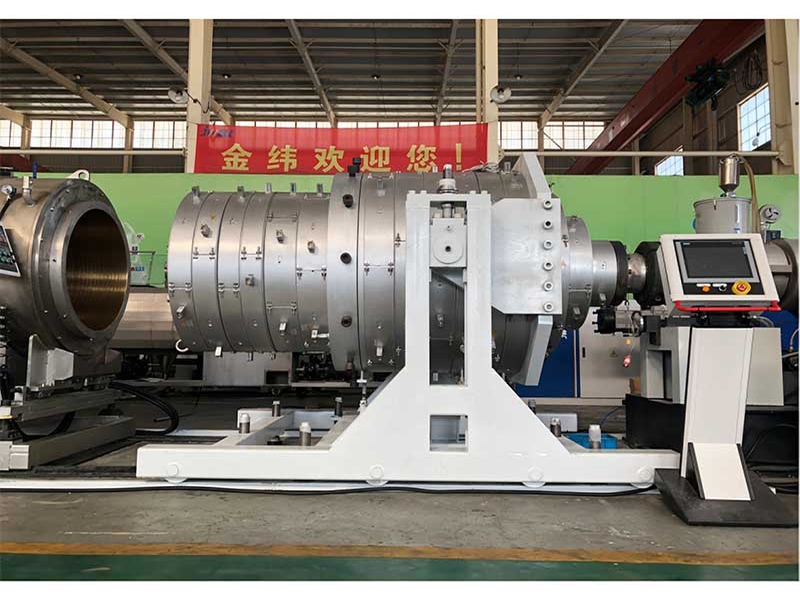
Understanding the Production Journey
The journey of making PVC pipes is interesting and involves several steps. PVC stands for polyvinyl chloride, which is a type of plastic. It is widely used to make pipes because it is strong, light, and can last a long time. At Jwell, the production process begins with gathering raw materials. These materials include PVC resin, which is the main ingredient, and other additives that help improve the pipes' quality. Once the materials are ready, they are mixed together in a special machine. This mixture is then heated to melt the PVC resin, making it easier to shape.
Next, the melted PVC is pushed through a machine called an extruder. This machine forms the melted plastic into long shapes, which will become the pipes. After the pipes are formed, they are cooled down. Cooling is very important because it helps the pipes keep their shape. Once cooled, the pipes are cut into smaller sizes, depending on what is needed. After cutting, the pipes go through a quality check. Workers at Jwell carefully inspect each pipe to make sure there are no defects. If a pipe does not meet the quality standards, it is removed from the batch. This ensures customers get only the best products.
The pipes, once checked for quality, are then packed and ready for shipment. Packing the pipes requires much attention to ensure they do not get damaged while being shipped. Jwell ensures that the pipes are packed in the right way and are marked. This makes it easy to pack the pipes for shipment. The pipes are loaded into trucks or ships after they are packed and shipped to customers. From collecting materials to shipment, this process is referred to as production journey.
What Makes PVC Pipes the Preferred Choice for Wholesale Construction Projects?
PVC pipes are a popular choice for many construction projects, and there are several reasons why builders prefer them. First of all, PVC pipes are very strong. They can handle a lot of pressure without breaking. This is important for construction projects where pipes need to carry water, sewage, or other materials. Because they are strong, PVC pipes last a long time and do not need to be replaced often. This means less hassle for builders and saves money in the long run.
Another reason builders like PVC pipes is that they are lightweight. This makes them easy to carry and install. Workers can move them around without needing heavy equipment, which speeds up the construction process. PVC pipes are also flexible, which means they can bend a little without breaking. This flexibility is useful in different types of projects, especially when pipes need to fit into tight spaces.
Additionally, Pvc film machine are resistant to chemicals. They do not get damaged easily by substances like acids or bases, making them ideal for many industrial projects. They are also not affected by rust or corrosion, which is a big problem with metal pipes. This durability means that PVC pipes can last for many years, providing great value for construction projects.
Lastly, PVC pipes are affordable. They cost less than many other types of pipes, making them a popular choice for builders working on a budget. At Jwell, we understand the importance of quality and cost-effectiveness, which is why we produce high-quality PVC pipes that meet the needs of various construction projects. This combination of strength, lightweight design, chemical resistance, and affordability makes PVC pipes the preferred choice for wholesale construction projects.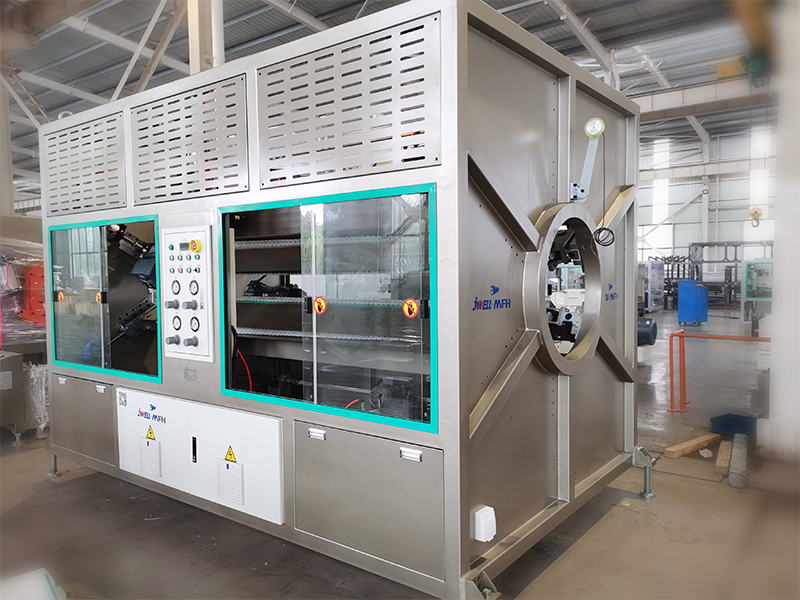
What Are the Key Stages in the PVC Pipe Production Process?
The production of PVC pipes involves several key stages that ensure the pipes are made correctly and meet high standards. The first stage is material preparation. At Jwell, we start by gathering the PVC resin and other additives. These additives can include stabilizers, lubricants, and colorants, which help improve the pipe's performance and appearance. Once we have all the materials, they are weighed and mixed together in a big machine. This step is crucial because the right mixture ensures that the final product is strong and durable.
The next stage is extrusion. In this stage, the mixed material is heated until it melts. The melted PVC is then pushed through a machine called an extruder, which shapes it into long tubes. This process requires precision, as the size of the pipes must meet specific standards. After extrusion, the pipes need to be cooled. Cooling helps the pipes harden and maintain their shape. This step is usually done using cold water or air.
Once the pipes are cooled, they are cut into the desired lengths. At Jwell, we pay close attention to this part of the process to ensure every piece is the right size. After cutting, the pipes go through a quality control check. This is where trained workers inspect each pipe for any defects. They look for cracks, uneven shapes, or any other issues that might affect the pipe's performance. If a pipe does not pass the inspection, it is removed from the production line.
The final stage is packing and shipping. After passing quality control, the pipes are carefully packed to protect them during transport. They are then labeled and loaded onto trucks or ships to be delivered to customers. Each stage in the PVC pipe production process is important to ensure that we at Jwell provide high-quality pipes that meet the needs of our clients. By following these key stages, we can create PVC pipes that are reliable and effective for various uses.
Table of Contents

With nearly 20 years in the intelligent extrusion equipment industry, he has held key roles at Jwell Machinery, including General Manager and Rotating Chairman. Since 2024, he has managed multiple subsidiaries, driving business expansion and industrial upgrades, while leading innovation in intelligent manufacturing and global growth.