EN
EN  ES
ES PT
PT SV
SV DE
DE TR
TR FR
FR RU
RU VN
VN ID
ID UZ
UZ MX
MX IN
IN
Thermoforming is a plastic processing method that has developed in recent years.
With the improvement of people's living standards and changes in lifestyles, more and more thermoformed products are appearing in all aspects of people's lives. Polypropylene (PP) sheets have the characteristics of low density, non-toxicity, easy processing, warping resistance, and better temperature resistance. They are particularly suitable for processing methods such as thermoforming and are widely used in food packaging, automobiles, home appliances and other fields. At the same time, polypropylene can be further adjusted in terms of rigidity, transparency, low-temperature toughness and other aspects according to different performance requirements of customers.
Basic principles and characteristics of thermoforming
Thermoforming is a special plastic processing method used to convert thermoplastic sheets into a variety of products. After the thermoplastic sheet is heated to soften it, pressure (vacuum or positive pressure) is used to force the thermoplastic sheet against the surface of the mold to obtain a shape similar to the contour. After cooling and solidification, the desired shape is obtained by trimming. Thermoforming is fast and uniform, the molding cycle is short, the mold cost is low, and it is suitable for automation and long-term production. It is considered to be the lowest-cost and most efficient processing method among plastic molding methods. Thermoforming has developed rapidly since its emergence, especially with the continuous improvement of thermoforming technology and equipment and the intervention of computer simulation methods, thermoforming has become the main processing method competing with injection molding and blow molding. In recent years, thermoforming processing equipment has made new progress.
The main types of thermoforming are: vacuum forming, pressure forming, plunger-assisted forming and their combinations. There are more and more thermoformed products on the market, such as cups, saucers, food trays, toys, helmets, as well as automotive parts, architectural decoration, chemical equipment, etc. Compared with injection molding, thermoforming has the advantages of high production efficiency, low equipment investment, and the ability to manufacture larger surface area products. The research and development of high-performance polypropylene materials such as high transparency, high melt strength, and low warpage have promoted the application and development of polypropylene sheets in the field of thermoforming.
Application fields of thermoformed PP sheets
Food packaging
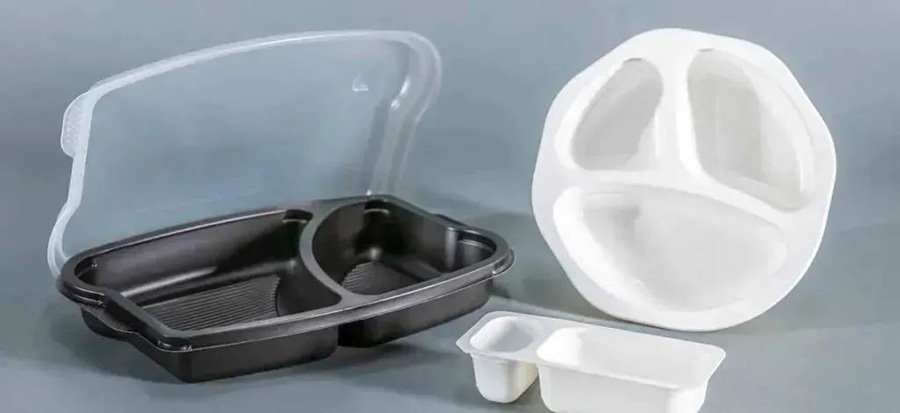
Thermoformed PP products for food packaging include various trays such as braised vegetable sealed boxes, meat trays, tofu trays, disposable lunch boxes, etc. Some of these trays are milky white, black, red, etc., and some are transparent products. At the same time, the cup lids and tray lids matching the above thermoformed products are also produced using a large amount of transparent PP.

Non-food packaging
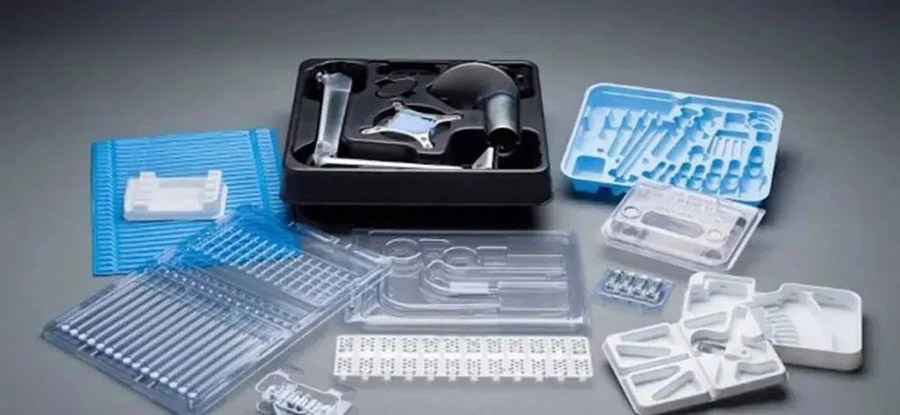
is mainly used for medical capsule blisters, tool packaging (stationery, hardware supplies), electronic products, and cleaning supplies.
Sheets and folding boxes
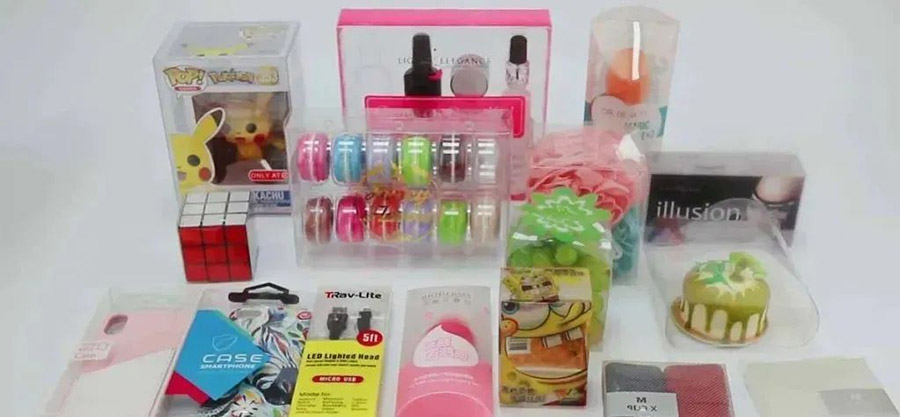
PP sheets are widely used in stationery, cosmetics and toy folding boxes, window packaging and supermarket hanging strips. A small amount of transparent PP is used in high-end folding boxes.
PP Sheet for Thermoformed Food Packaging
● Cup
Thermoformed cups are mainly disposable cups, such as milk tea cups, cold drink cups, fast food cups, etc. They are mainly used in fast food restaurants, milk tea shops, jelly product factories, etc. The raw materials are mainly transparent PP sheets , and some cold drinks are made of PET .

● Resistant lunch box
Ordinary lunch boxes only contain low-temperature food. However, consumers also need to store hot porridge and hot soup, or sterilize them under high-temperature steam. These put forward higher requirements for resin raw materials. PET and PS are not resistant to high temperatures. Polypropylene has good heat resistance, low price and easy availability, and has become the preferred raw material.
● Cover
The main products include bowl lids, lunch box lids, cup lids, etc., which are mainly used in fast food restaurants, milk tea shops, cake shops, etc. The lids are mainly transparent, and PP lids are generally used for hot drinks.

● Food lining
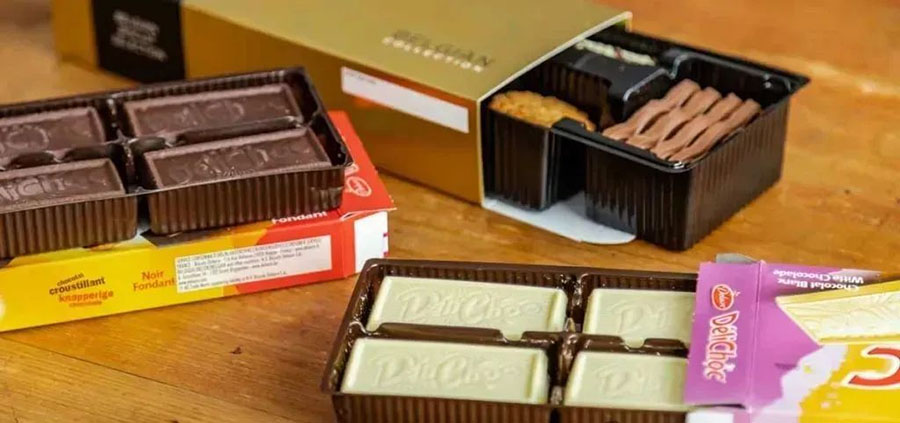
Food lining is mainly used for packaging of biscuits, potato chips, peanuts and other snacks. There will be a layer of packaging on the outside, mainly used in fast food factories. At present, food linings are mainly transparent, but also milky white. In order to make packaged food fuller and less likely to be crushed, more and more snack processing companies are using food liners.

With nearly 20 years in the intelligent extrusion equipment industry, he has held key roles at Jwell Machinery, including General Manager and Rotating Chairman. Since 2024, he has managed multiple subsidiaries, driving business expansion and industrial upgrades, while leading innovation in intelligent manufacturing and global growth.