EN
EN  ES
ES PT
PT SV
SV DE
DE TR
TR FR
FR RU
RU VN
VN ID
ID UZ
UZ MX
MX IN
IN
#tpe extrusion#tpe composite sheet extrusion line
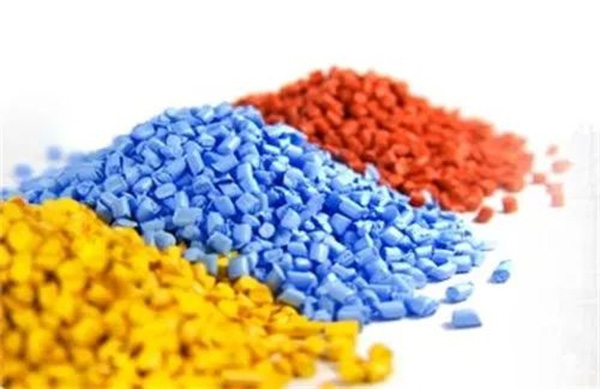
1. Hardness
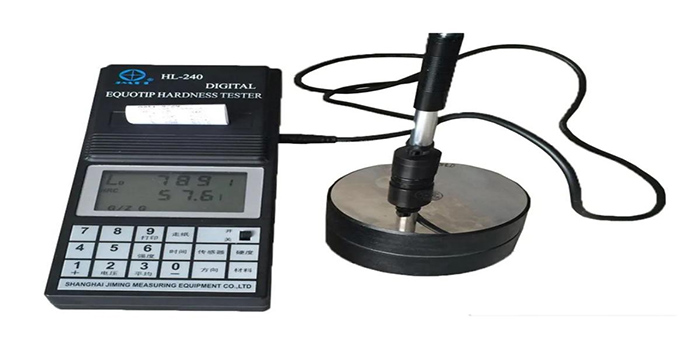
Hardness means the material’s ability to resist a hard object pressing into its surface locally. Because the relative softness or hardness of a material is often the first thing to consider when choosing a material, and hardness is also related to other important design characteristics, such as tensile modulus and flexural modulus. Therefore, the purpose of hardness testing is to make sure the hardness specifications of thermoplastic elastomers .
The most commonly used instrument for measuring rubber hardness is Shore hardness tester. TPE material testing generally uses only two hardness testers: ShoreA and ShoreD.
2. Compression set
Compression set refers to the test of the permanent deformation of a rubber or elastomer material under compression (applying a load to a specific amount of behavior, say 25%) and at different temperatures. All polymer materials undergo creep behavior under certain load conditions, and the compression set test is a rough measurement of the creep behavior of a material under compressive load.
The necessary tools for testing compression set are mainly an oven and a compression device, which includes a compression plate, limiter and fastener.
Usually Shore10-80A compression is 25%, Shore80-89A compression is 15%, and Shore90-95A compression is 10%.
3. Tensile permanent deformation
Tensile permanent deformation refers to the residual deformation of the specimen after it is elongated under a certain tensile force, and is expressed as a percentage of the original length. All elastomer materials undergo corresponding application relaxation under certain stresses, and the tensile set test is a rough measurement of the stress relaxation behavior of a material under tensile stress.
4. Tensile strength
Tensile strength refers to the maximum tensile stress that occurs during the stretching of a specimen until it breaks, and is an accurate measure of the tensile resistance of an elastomer material.
5. Tear strength
The mechanical tearing process that will be generated and expanded by a certain point of rubber and plastic materials under the action of high stress concentration will lead to fracture, defect or local deformation of the material, and the tear strength is the quantitative manifestation of the maximum destructive force required in this fracture process.
6. Oil resistance
The oil resistance test is mainly to measure the change of a material in a number of performance indicators (volume, hardness, tensile strength, etc.) in different standard reference oils, mainly to guide the material to ensure normal use in the field of contact with fluid oil.

With nearly 20 years in the intelligent extrusion equipment industry, he has held key roles at Jwell Machinery, including General Manager and Rotating Chairman. Since 2024, he has managed multiple subsidiaries, driving business expansion and industrial upgrades, while leading innovation in intelligent manufacturing and global growth.