EN
EN  ES
ES PT
PT SV
SV DE
DE TR
TR FR
FR RU
RU VN
VN ID
ID UZ
UZ MX
MX IN
IN
As the demand for high-quality materials in the packaging, food, and pharmaceutical industries continues to rise, PET (Polyethylene Terephthalate) sheet, as a high-performance plastic, is increasingly being used in various fields. From food packaging to medical devices, and daily necessities, PET sheet has gained widespread market favor due to its excellent transparency, compressive strength, and environmental friendliness. So, how is PET sheet produced? In this blog, we will introduce the working principle, key equipment, and advantages of PET sheet production lines in detail.
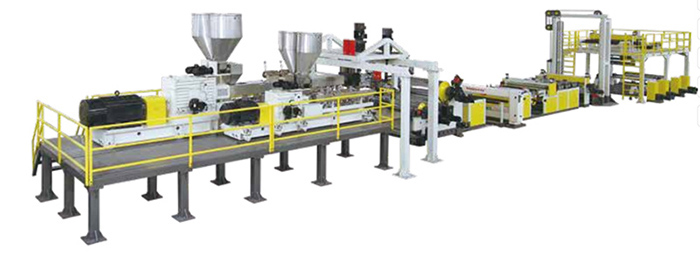
PET Sheet Production Process
The production process of PET sheet mainly consists of the following steps:
1. Raw Material Preparation and Drying
The raw material for PET sheet is PET resin pellets. Since PET is hygroscopic, the resin must be dried before production to ensure its moisture content is within a reasonable range, preventing hydrolysis reactions during processing that could affect the final sheet quality.
2. Melt Extrusion
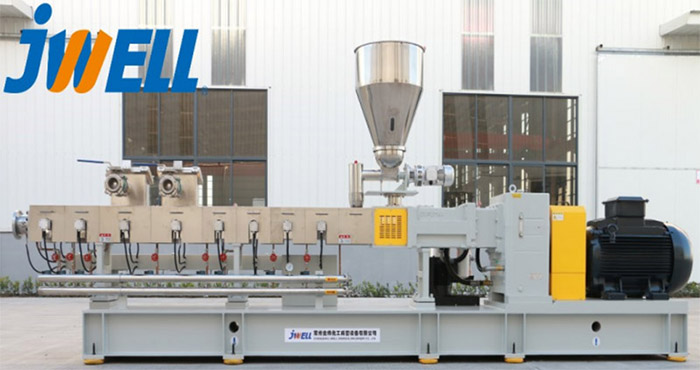
The dried PET resin pellets are melted at high temperatures and then processed in an Jwell extruder. During extrusion, the resin is heated to a uniform molten state and then pushed through a mold to form a sheet with a uniform thickness.
3. Thickness Adjustment and Cooling
The extruded PET sheet undergoes initial cooling on cooling rollers. To ensure the sheet is flat and of uniform thickness, the production line is typically equipped with a thickness control system that monitors the sheet's thickness in real-time.
4. Edge Trimming
After the sheet cools and undergoes preliminary shaping, the production line usually includes an automatic edge trimming device. The edge trimming process removes any irregular edges, ensuring the sheet has standard dimensions and a good appearance.
5.Static Elimination
PET sheets tend to accumulate static during the production process, which can affect product quality and subsequent processing. To address this, the production line is equipped with static elimination devices, typically using high-voltage electrodes or air static eliminators, to ensure the sheet’s surface cleanliness and stability.
6.Winding
Instead of cutting the sheet after shaping, the PET sheet is wound into large rolls using winding equipment for easier packaging, storage, and transportation. The winding system precisely controls the tension of the rolls to ensure consistent quality and shape.
Key Equipment of the PET Sheet Production Line
A PET sheet production line typically consists of the following main equipment:
1. JWELL Twin-Screw Extruder: Responsible for heating the PET resin to a molten state for extrusion. The design and configuration of the twin-screw extruder directly affect the quality and production efficiency of the sheet.
2. Die Head: The die head forms the molten PET resin into a sheet.
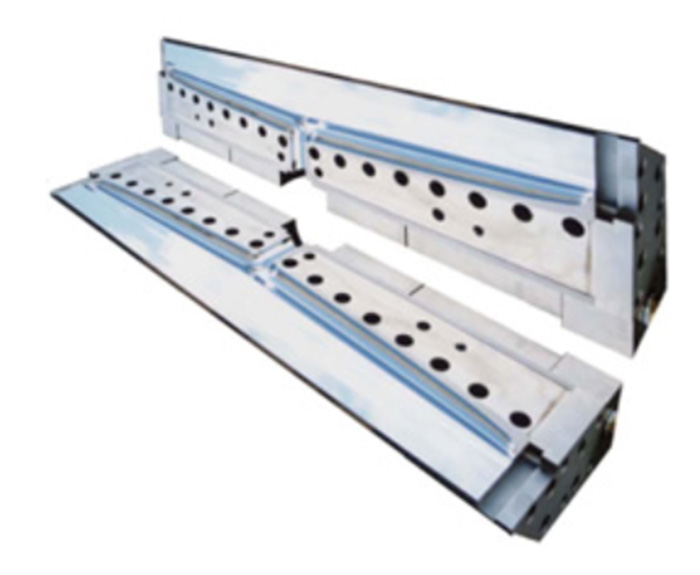
3. Cooling Rollers: Cooling rollers rapidly lower the temperature of the sheet and maintain its flatness.

4. Edge Trimming Equipment: Automatic edge trimming devices remove irregular edges to ensure the sheet has uniform edges and standard dimensions.
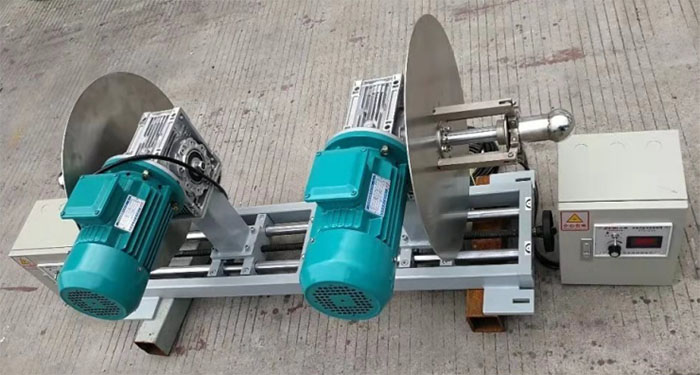
5. Static Elimination Device: It can be coated on one side or both sides, with the coating process using a roller transfer coating method, followed by a drying treatment.

5.Winder: This equipment winds the produced PET sheets into rolls for easy storage and transportation, maintaining the sheet’s shape and quality.

Advantages of the PET Sheet Production Line
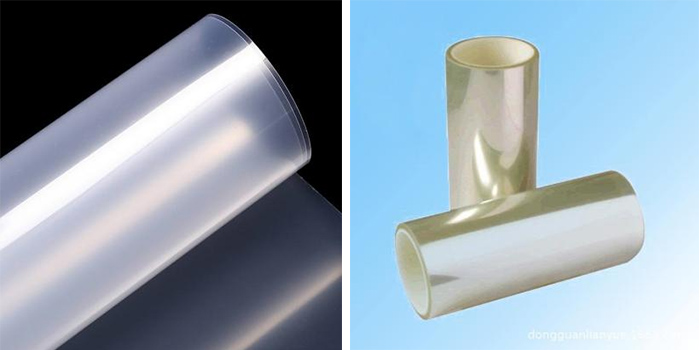
1. High Transparency and Strength
PET sheets have excellent transparency, allowing clear display of the contents of the packaging. At the same time, they offer high strength and rigidity, providing good protective performance.
2. Environmentally Friendly and Recyclable
PET is a recyclable material that meets modern environmental and sustainable development requirements. Globally, recycling PET materials has become an important way to reduce plastic pollution and achieve green production.
3. Diverse Applications
Due to its excellent processing properties, PET sheets are widely used in food packaging, medical packaging, and electronic product casings, and can be customized to meet the specific needs of each field.
4. Low Energy Consumption and High Efficiency
Modern PET sheet production lines adopt advanced automation control systems and energy management technologies, improving production efficiency and reducing energy consumption.

Conclusion
As the demand for high-quality, eco-friendly materials continues to increase, the application prospects of PET sheets are vast. Through advanced PET sheet production lines, manufacturers can not only improve production efficiency but also ensure product quality and meet the diverse needs of customers. In the future, with continuous technological progress, PET sheet production lines will continue to evolve toward greater efficiency and sustainability, providing high-quality material solutions for various industries.
If you are interested in PET sheet production lines or have any related questions, feel free to contact me. We offer comprehensive technical support and equipment consulting to help you succeed in the PET sheet production industry!

With nearly 20 years in the intelligent extrusion equipment industry, he has held key roles at Jwell Machinery, including General Manager and Rotating Chairman. Since 2024, he has managed multiple subsidiaries, driving business expansion and industrial upgrades, while leading innovation in intelligent manufacturing and global growth.