EN
EN  ES
ES PT
PT SV
SV DE
DE TR
TR FR
FR RU
RU VN
VN ID
ID UZ
UZ MX
MX IN
IN
The "compound" in the industry actually means "layer", which means to stick the film of different properties together in a certain way, and then seal it together to protect the contents. The composite processing methods of flexible packaging mainly include dry composite, wet composite, extrusion composite, co-extrusion composite and so on.
1. Dry composite
Dry composite is the most traditional and the most widely used composite technology in China. Because it is a composite in the state of "dry" adhesive, it is called dry composite. Widely used in food, medicine, cosmetics, daily necessities, light industrial products, chemicals, electronic products and other packaging.
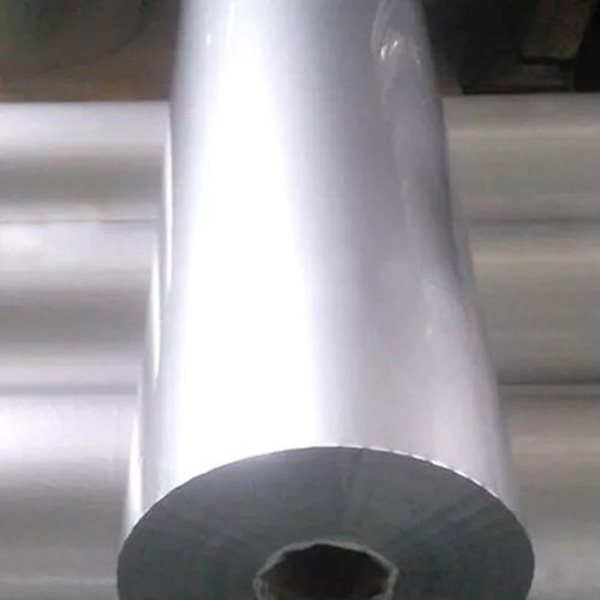
Dry composite is a coating device coated with a layer of solvent-based adhesive on the plastic film, through the film coating machine to remove the solvent and dry, in the hot pressure state and other substrate composite, such as film, aluminum foil adhesion into a composite film.
Dry composite has a wide application range, excellent chemical medium erosion resistance performance, high composite strength, good stability, high product transparency, can produce high, medium range composite film, but also can produce frozen, fresh or high temperature sterilization composite film; convenient and flexible use, simple operation, suitable for many varieties, small batches of production.
2. Wet composite
Wet composite is a layer of adhesive coated on the surface of composite substrate (plastic film, aluminum foil). Under the condition of adhesive not dry, other materials (paper, cellophane) are compound through pressure roller, and then become composite film through hot drying. Wet composite is characterized by simple process operation, small amount of adhesive, low cost and fast composite speed.
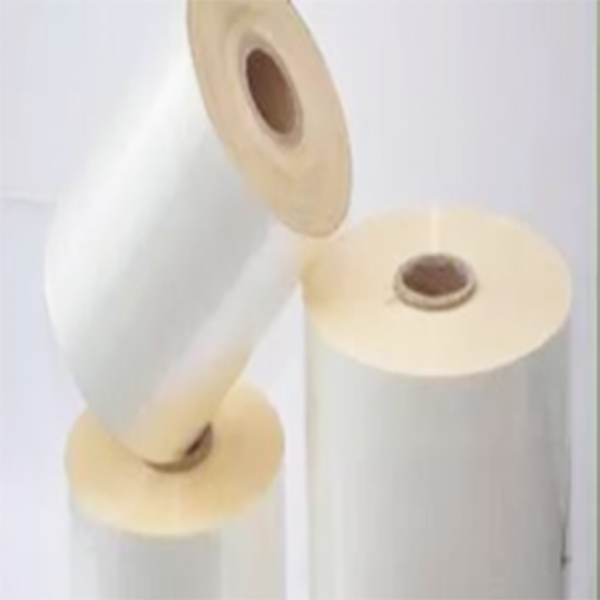
With wet composite, at least one of the two substrates is a porous material (such as paper or cardboard) so that the diluent contained in the adhesive evaporates upon drying. Therefore, wet composite is widely used in the composite of paper / fiber, paper / paper, paper / paper, paper / aluminum foil and other materials.
3. Extruded-coated film
Extrusion coating is a method of melting the thermoplastic such as polyethylene out of the flat head, pressing it into another substrate between two rollers in close contact, and making a composite film after cooling.
The roll substrate is generally printed PET, BOPP, paper and other materials, such as instant noodle packaging bag is a typical example of extrusion coating production, its structure: BOPP printing film / LDPE (or PP ).
4. Extrude the composite film
Extrusion composite is the extruded resin in the middle of the two substrates, it plays the role of the two substrates together, and is also a composite layer.
The first substrate is often PET, BOPP, PA, paper and other materials, the second substrate is generally LDPE, CPP, aluminum foil, aluminum coated film and other materials, extrusion resin is generally PE, PP, EVA, EAA and other resin. General ordinary washing powder packaging film can be combined by this method, the structure is as follows: BOPP printing film / extrusion resin / PE film.

5. No solvent to compound
The adhesive used in solvent-free composite has attracted much attention because it contains no organic solvent. In developed countries such as Europe and the United States, solvent-free composite has become the main method of soft packaging composite material production. It is a compound method of using solvent-free adhesive for coating the substrate and directly fitting it with the second substrate. Although the adhesive is used as the dry composite, the adhesive does not contain organic solvent and needs no drying device.
6. Co-squeeze composite
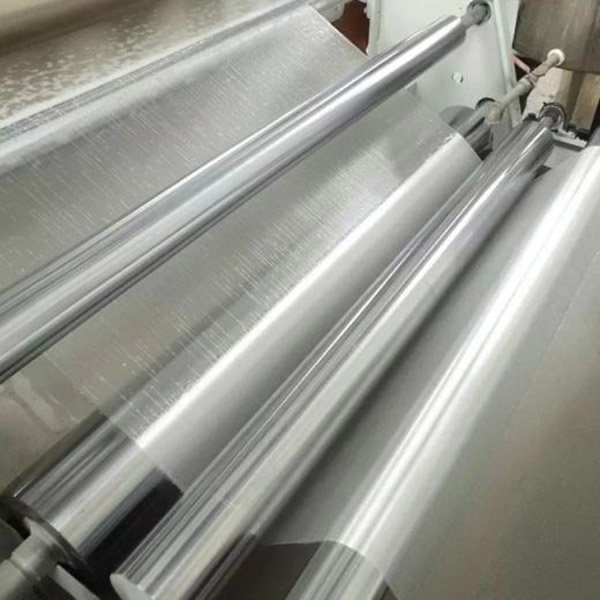
Co-extrusion compound, is two or two more different plastic, through two or two extruder, respectively make a variety of plastic melt after molding for a pair of mouth mold or through the distributor of a variety of extruder supplied after the plastic for the inlet mold, in order to prepare a composite film molding method.

The cost of co-extrusion compound is low, 20% -30% lower than dry composite, and no adhesive or anchor coating agent (AC agent) is used in the co-extrusion compound process, so it has good hygiene and there is no environmental pollution problem. However, due to the limitation of materials, the composite film used for the production of co-extrusion composite process is limited to all kinds of thermoplastics. If the composite materials containing aluminum foil and paper need, it can not be produced by co-extrusion composite.

With nearly 20 years in the intelligent extrusion equipment industry, he has held key roles at Jwell Machinery, including General Manager and Rotating Chairman. Since 2024, he has managed multiple subsidiaries, driving business expansion and industrial upgrades, while leading innovation in intelligent manufacturing and global growth.