EN
EN  ES
ES PT
PT SV
SV DE
DE TR
TR FR
FR RU
RU VN
VN ID
ID UZ
UZ MX
MX IN
IN

PET: polyethylene terephthalate

PVC: polyvinyl chloride
Can be distinguished by combustion method
PVC
Appearance: Transparent to opaque and it is hard. Softening or melting temperature range is from 75 to 90°C; Combustion flame statement: yellow above, green below, white smoke and pungent sour smell; the condition for leaving the fire: after leaving the fire it will be extinguished ; and it will become brittle after burning.
PET #pet sheet extruder
Appearance: Transparent. Flammability: flammable, will burn without flame. It shrinks and burns when close to the flame. It can continue to burning when it leaves the flame. A few smoke has a very weak sweet smell. The ash is hard and round, black or light brown.
1. PVC cannot be recycled, but PET can be recycled;
2. If we use a PET bottle and a PVC label is stuck on it, the PVC label needs to be removed when recycling the bottle; however, if a PET bottle is used, it does not need to be removed; #pet bottle flakes making machine
3. PET has excellent media properties and has good anti-fouling, anti-scratch, high temperature resistance and other properties;
4. The performance of PVC is close to that of PET. But PVC has better flexibility and softer feel than PET. However, PVC has poor degradability and has a bad effects on environmental protection.
Blister application direction
PVC
PVC is the most commonly used blister material and it is soft, strong in toughness, and good in plasticity. It can be made into transparent and various colors. Transparent PVC is commonly used to package electronics, cosmetics, toys, gifts and other products.
PET #pet extrusion machine
PET is hard, has good toughness, high strength, bright surface, environmentally friendly and non-toxic, and is available in transparent and various colors film. The disadvantage is that high-frequency heat sealing of PET is more difficult and the price is much more expensive than PVC. This material is often used to replace PVC by users who require high-end and environmentally friendly products. PET materials are generally used to make plastic bottles, food packaging boxes, etc.

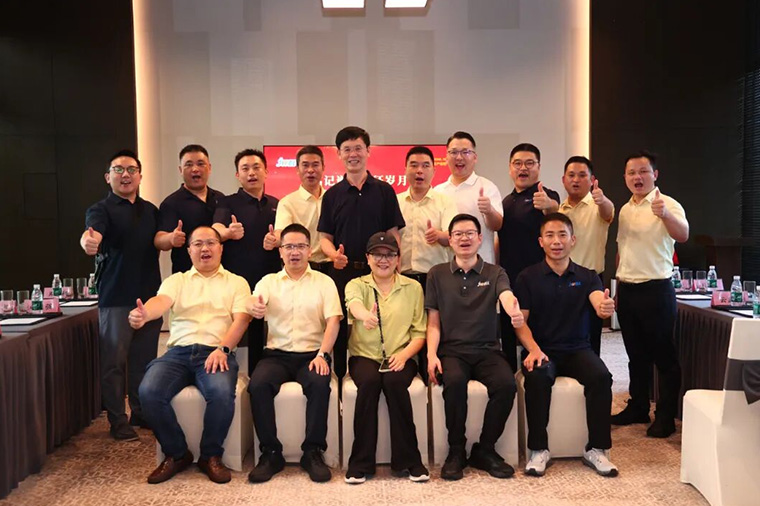
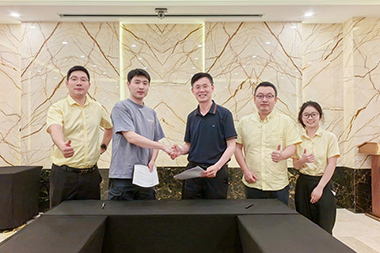
With nearly 20 years in the intelligent extrusion equipment industry, he has held key roles at Jwell Machinery, including General Manager and Rotating Chairman. Since 2024, he has managed multiple subsidiaries, driving business expansion and industrial upgrades, while leading innovation in intelligent manufacturing and global growth.