EN
EN  ES
ES PT
PT SV
SV DE
DE TR
TR FR
FR RU
RU VN
VN ID
ID UZ
UZ MX
MX IN
IN
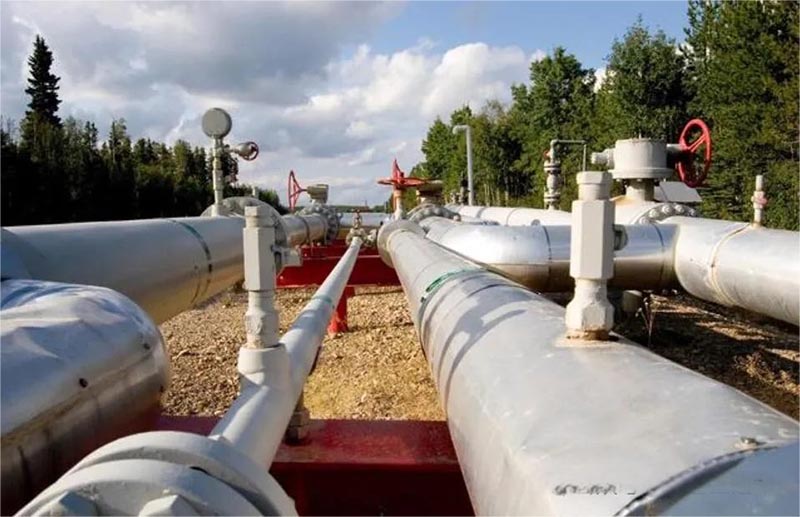
What is the presure piping line? #hdpe water supply pipe
A. Definition
Pressure pipeline refers to the internal fluid has a certain pressure of the pipeline system, the design and installation need to consider the bearing capacity of the pipeline internal pressure. According to the "Code for Construction and Acceptance of Water Supply and Drainage Pipeline Engineering" GB 50268-2018, pressure pipelines refer to water supply and drainage pipelines with working pressure greater than or equal to 0.1MPa.
B. Characteristic
Used to transport pressurized fluids with high strength and tightness to withstand internal pressures.
C. Material
Use steel pipe, stainless steel pipe, copper pipe, PE, PVC and other materials.
D. Application
It is widely used in urban water supply systems, natural gas transmission,industrial fluid transmission (such as petroleum, chemical industry) and other scenarios requiring high-pressure transportation. #MPPpipeextrusion
What is none presure piping line? #jwell
A. Definition
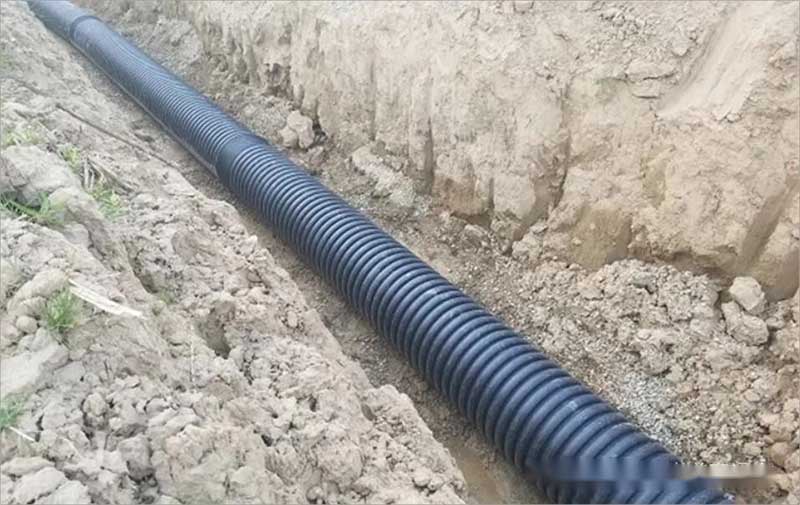
Non-pressurized pipes are commonly used to transport liquids, such as rainwater, sewage, etc. by gravity or natural flow, with no internal pressure or only minimal hydrostatic pressure. According to GB 50268-2018, "Code for Construction and Acceptance of Water Supply and Drainage Pipeline Engineering", non-pressure pipeline refers to a water supply and drainage pipeline with a working pressure of less than 0.1MPa.
B. Characteristic
Relying on gravity to achieve fluid flow, commonly used in drainage and sewage systems, does not withstand internal pressure.
C. Material
Non-pressure pipes have low pressure resistance requirements for materials, so PVC, HDPE, concrete and other materials are used.
D. Application
Mainly used in urban drainage systems (such as sewage and rainwater discharge), building drainage pipes, agricultural irrigation, etc. For example, UPVC drainage pipes used in residential buildings bathrooms, common roof rainwater drainage pipes, condensed water drainage pipes of residential buildings air conditioners, sewage and rain sewage combined pipes are non-pressure pipes. #waterdrainagepipe
What is flexible pipe?
A. Definition
Flexible pipe refers to the pipe that can produce a certain deformation under the action of external forces, and its bearing capacity depends on the support of the surrounding soil. After deformation, the load can be dispersed through the interaction between the surrounding soil and the pipe. #pipewinder
According to GB 50268-2018, flexible pipes are pipes with significant deformation under external load, and most of the vertical load is balanced by the elastic resistance generated by the soil on both sides of the pipe, and the failure of the pipe is usually caused by deformation, rather than the damage of the pipe wall. In particular, it refers to steel pipes, chemical building materials pipes and ductile iron pipes with flexible interfaces.
B. Characteristic
To withstand a certain degree of ground settlement and external loads, will not be damaged by slight deformation.
C. Material
Flexible pipes are mostly made of HDPE (high-density polyethylene), PVC (polyvinyl chloride), PP (polypropylene) and other plastic materials, which can have a certain elastic recovery ability when stressed.
D. Application
It is widely used in the case of foundation settlement, slight earthquake and traffic flow pressure, such as urban underground drainage network, agricultural irrigation, gas pipeline and so on.
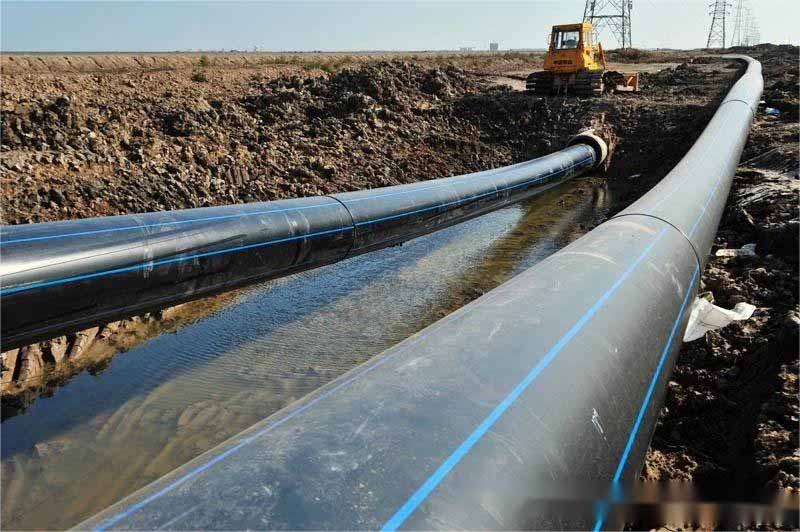
Table of Contents

With nearly 20 years in the intelligent extrusion equipment industry, he has held key roles at Jwell Machinery, including General Manager and Rotating Chairman. Since 2024, he has managed multiple subsidiaries, driving business expansion and industrial upgrades, while leading innovation in intelligent manufacturing and global growth.