EN
EN  ES
ES PT
PT SV
SV DE
DE TR
TR FR
FR RU
RU VN
VN ID
ID UZ
UZ MX
MX IN
IN
Extrusion temperature
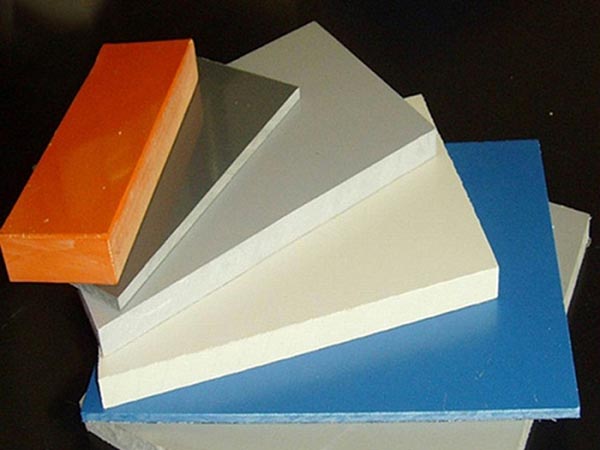
In order to obtain hard PVC skin foam boards with dense and uniform pores, smooth and clean surfaces, the temperature of each zone should be strictly controlled during the production of PVC foam board extrusion lines.If the barrel and screw temperature are too high, the material is prone to pre-foaming, causing melt fracture and rough surface of the plate.If the temperature is too low, the material plasticization is incomplete, and the surface of the plate is uneven; the temperature of the transition body and die lip should be lower than the extrusion temperature, but too low temperature will make the melt temperature too low to lose elasticity and be stretched broken, while too high temperature will reduce the melt strength and elasticity, cause bubble rupture, and produce void defects on the surface of the plate.
The material extrusion generally goes through three processes: heating, constant temperature, and heat preservation.
The heating zone is located at the front part of the extruder's exhaust port (the first zone conveying section and the second zone compression section); the constant temperature zone is at the rear part of the exhaust port (the third zone exhaust section and the fourth zone metering section); the insulation zone mainly consists of the die head, transition body, and die.Materials in the heating zone require a large amount of heat, so the temperature setting of this zone should be slightly higher to meet the requirements of rapidly supplementing heat and maintaining a stable barrel temperature environment.Due to the internal heat generated by the shearing and rolling of the material by the screw in the constant temperature zone exceeding the needs of the material, the zone is generally equipped with a heating and cooling two-way temperature control device to control the temperature of the barrel to remain constant, ensuring the normal plasticization and extrusion molding of the material.After the material passes through the constant temperature zone, it has become completely plasticized, and the heat in this zone no longer exists. In order to establish melt pressure, it is necessary to set up heating plates to supplement external heat.
Extrusion speed and residence time
Production practice shows that the screw speed is directly proportional to the extrusion output of the plate and inversely proportional to the density of the plate.The higher the screw speed, the faster the extrusion speed, and the rapid increase in melt temperature increases the difficulty of process control, but the foaming degree is uniform and the surface quality of the product is good; conversely, when the screw speed is too low and the extrusion speed is slow, it will cause poor plasticization of the melt to reduce production efficiency, and foaming near the die lip will make the surface of the plate rough.Additionally, the quality of the plank is also affected by the residence time of the material in the extruder barrel and die. If the residence time is too short, the foaming agent decomposes insufficiently, resulting in a plank with excessive density; if the residence time is too long, it is easy to foam excessively and the mechanical properties of the plank are reduced.
Extrusion Pressure
The key to the success or failure of plate foaming lies in whether the extrusion pressure control is appropriate.The screw speed, melt temperature, and the length and compression ratio of the die internal flow channel all have a significant impact on the extrusion pressure.The increase in screw speed raises the extrusion pressure of the melt, which can reduce the diameter of the bubbles and increase the number of bubbles, facilitating the foaming process.When the additional material is well plasticized, both the die pressure and the current are relatively stable; whereas when the material is poorly plasticized, the die pressure fluctuates, the motor current increases and becomes unstable.In actual production, the changes in host current and die pressure are usually used as an important basis for judging whether the extrusion temperature control is appropriate.
Table of Contents

With nearly 20 years in the intelligent extrusion equipment industry, he has held key roles at Jwell Machinery, including General Manager and Rotating Chairman. Since 2024, he has managed multiple subsidiaries, driving business expansion and industrial upgrades, while leading innovation in intelligent manufacturing and global growth.