EN
EN  ES
ES PT
PT SV
SV DE
DE TR
TR FR
FR RU
RU VN
VN ID
ID UZ
UZ MX
MX IN
IN
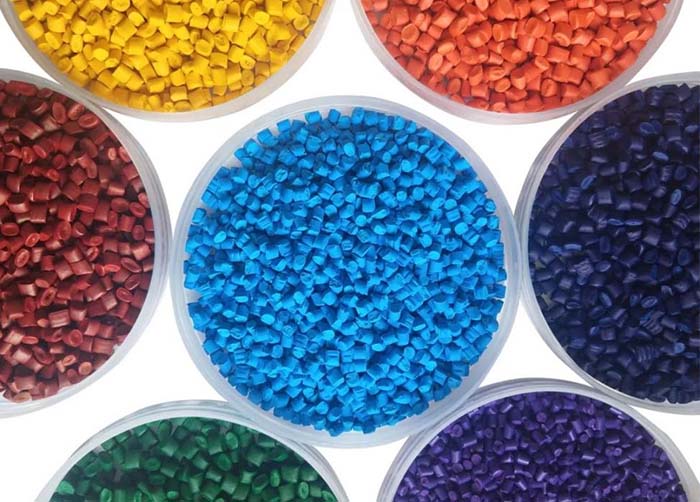
Color masterbatch pelletizing machine
Currently, masterbatches are used in a wide range of applications, mainly serving the plastics industry, the rubber industry and the fibre industry, among others.
Domestic demand for masterbatches is large, low-end products are basically saturated, high-end products are in short supply, and the development potential is huge.
The competition in the masterbatch market is getting more and more intense, the quality of China's masterbatch products needs to be upgraded, and China's high-end special-purpose masterbatch industry must have enough right to speak.
Masterbatch enterprises to strengthen the overall quality management, pending restructuring, growth and expansion in the competition, the masterbatch industry more and stronger national brands to be built and established.
Masterbatch Classification
According to different usage, colour masterbatches are divided into injection masterbatches, blow moulding masterbatches, spinning masterbatches, etc. Each variety can be divided into different grades.
Advanced injection colour masterbatches are used for cosmetic boxes, toys, electrical appliance shells and other advanced products;
Ordinary injection masterbatch is used for general daily-use plastic products, industrial containers and so on.
Advanced blow moulding masterbatch is used for blow moulding colouring of ultra-thin products; ordinary blow moulding masterbatch is used for blow moulding colouring of general packaging bags and woven bags. Spinning masterbatch is used for textile fibre spinning colouring, with fine pigment particles, high concentration, strong colouring power, good heat resistance and light resistance.
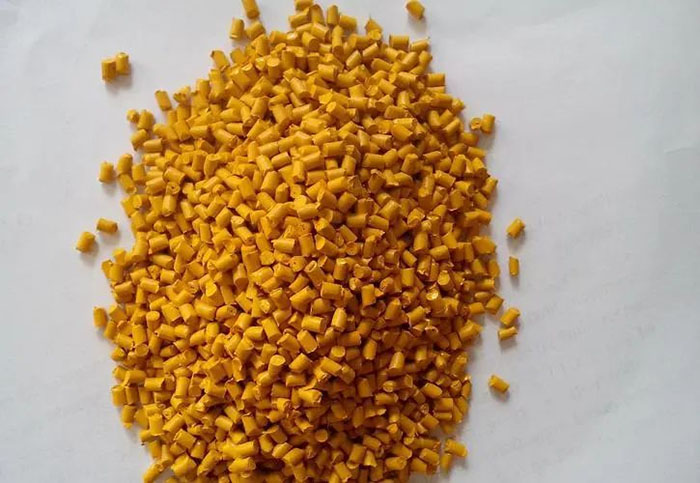
Low-grade masterbatches are used to manufacture low-grade products that do not require high colour quality.
Depending on the carrier, it is divided into PE, PP, PVC, PS, ABS, EVA, PC, PET, PEK, phenolic resin, epoxy resin, acrylic resin, unsaturated polyester resin, polyurethane, polyamide, fluorine resin masterbatch and so on.
According to the different functions, it is divided into anti-static, flame retardant, anti-aging, antibacterial, whitening and brightening, translucent, weathering, matting, pearlescent, imitation marble grain (flow pattern), wood grain masterbatch and so on.
They are divided into general-purpose masterbatches and special-purpose masterbatches according to the user's usage. Low melting point PE masterbatches are often used as general-purpose masterbatches for colouring other resins than carrier resins. Most of the regular colour masterbatch enterprises in the world generally do not produce general-purpose masterbatches, and the general-purpose scope of general-purpose masterbatches is very narrow, with poor technical indexes and economic benefits.

Universal masterbatch presents different colours in different plastics, and the predictability of colouring effect is poor. General-purpose masterbatch affects the strength of products, which is easy to be deformed and twisted, and it is more obvious for engineering plastics. In order to be universal, the general-purpose masterbatch uses higher heat-resistant grade pigments, which is costly and wasteful.
Special colour masterbatch has the significant advantages of high concentration, good dispersion and cleanliness during the processing of products. The heat-resistant grade of special masterbatch is generally compatible with the plastics used in the products, and it can be used without any worry under normal temperature, and it will only cause different degrees of discolouration if the temperature is out of the normal range and the downtime is too long.
It can also be divided into black, white, yellow, green, red, orange, brown, blue, silver, gold, purple, grey, pink masterbatches and so on according to the different colours.
Masterbatch Extrusion Machine -basic composition
Colour
Pigment is the basic colouring component, it is better to carry out pretreatment first, and cover the surface of its micro particles with resin to prevent mutual flocculation and make it easy to disperse. In order to coat and mix evenly, solvents that have affinity for pigment and can dissolve resin, such as o-dichlorobenzene, chlorobenzene, xylene, etc., are used. In the case of resin dissolution, pigment dispersion treatment is carried out, and then the solvent is recovered or removed.
Vector (epidemiology)
Carrier is the matrix of masterbatch. At present, the same resin is used as the carrier for special masterbatches, which can ensure the compatibility between the masterbatches and the coloured resin, and is conducive to the better dispersion of pigments. There are many kinds of carrier resins, such as polyethylene, random polypropylene, poly 1-butene, low relative molecular mass polypropylene and so on.
For polyolefin masterbatches, generally use high melt index LLDPE or LDPE as the carrier resin, with good processing fluidity, mix it with the coloured resin to adjust the viscosity of the system, play the role of infiltration and dispersion of pigments, minimize the amount of dispersant, and even without dispersant to achieve good dispersion, and to ensure that the performance of the coloured product does not deteriorate. Powdered high-melting LLDPE from ExxonMobil and Saudi Basic is the most popular. Tianjin Petrochemical Company also has a small amount of production, due to the production is not fixed and price reasons, the domestic colour masterbatch enterprises are rarely asked.
Dispersant
The dispersant wets and coats the pigment to promote the uniform dispersion of the pigment in the carrier and no longer coalesce, its melting point should be lower than that of the resin, it has good compatibility with the resin and good affinity with the pigment. There are many kinds of dispersants, low relative molecular mass polyethylene wax, polyester, stearate, white oil, oxidised low relative molecular mass polyethylene and so on.
Food additive
In addition to colouring, masterbatches also add flame retardants, antioxidants, antistatic agents, light stabilizers and so on according to the various requirements of the users, and at the same time have a variety of functions. Sometimes users do not require, but the masterbatch enterprises will add some additives according to the needs of the products. In order to reduce the cost, many enterprises add a lot of fillers in their products, forming the strange phenomenon that fillers are everywhere. There are fillers in pigments, dispersants and resins, so we must pay attention to this situation and keep the quality of raw material procurement.
The process and equipment of Masterbatch production line
The production process of masterbatches is demanding, there are dry process and wet process, the production process of masterbatches is still under development.
Wet process
Wet process is that the masterbatch material is made by grinding, trans-phase, washing, drying and granulation. When grinding pigments, a series of technical tests are required, such as determining the fineness of grinding slurry, diffusion performance, solid content, etc. The wet process has four methods: ink method, flushing method, kneading method and metal soap method.
Wet process has 4 methods: ink method, washing method, kneading method and metal soap method.
Dry process
Some enterprises prepare their own pre-dispersed pigments when producing high-grade masterbatches, and then granulate them by dry process. The production conditions of colour masterbatches present diversified options according to the requirements of products.
High churning + screw, high churning + twin screw is the most common production process. In order to improve the pigment dispersion, some enterprises grind the carrier resin into powder. Refiner+single screw, refiner+twin screw are also the process technology adopted to produce high quality colour masterbatches.
At present, the colour measurement and colour matching technology of masterbatches is more popular, and more high-performance spectrophotometers are introduced to assist in completing the colour matching.
Application of colour masterbatch

The pigment content of masterbatches for plastics is usually between 10% and 20%, and when added to the plastics to be coloured at a ratio of 1:10 to 1:20, the designed pigment concentration of the coloured resin or product can be achieved. The masterbatch plastic and the colouring plastic can be the same variety or compatible with other plastic varieties. The masterbatch can be a single colour or a variety of pigments. The choice of pigment should be in line with the processing conditions and quality requirements of plastic products. The application of masterbatches in the field of plastic products is relatively mature and common, 85% of the colouring agent of plastic products adopts masterbatches, which is convenient to use, without the dust flying problem of dry powder pigment, and completely solves the drawbacks such as colour spot and inconsistency of pigment caused by poor dispersion of pigment.
Polyethylene, polypropylene, polyvinyl chloride, organic glass, nylon, polycarbonate, cellulose, phenolic plastics, epoxy resins, amine-based plastics and other varieties, there are corresponding masterbatches. In the plastics industry, the market demand for masterbatches is concentrated in engineering plastics products (home appliances, automobiles), construction plastics products (pipes, profiles), agricultural film products, plastic packaging products and so on. Household appliances, automobiles, construction plastic products industry and other high requirements for masterbatches, large amount of masterbatches, the development of masterbatches have a role in promoting.

The preparation method of rubber masterbatch is similar to that of plastic masterbatch, and the pigments, plasticisers and synthetic resins used should be the varieties that match with rubber. Pigment is mainly used as reinforcing agent and colouring agent in rubber. Black pigment is mainly carbon black; white pigment has zinc oxide, titanium dioxide, calcium carbonate and so on; other pigments have iron oxide, chrome yellow, ultramarine, chrome oxide green, sunlight yellow, benzidine yellow, phthalocyanine green, colour precipitation red C, dioxazine violet and so on. Wires, cables, tyres, a large number of applications of carbon black, all the traditional carbon black to carbon black masterbatches, the amount of which occupies a prime position in all masterbatches. At present, domestic and foreign carbon black enterprises can not fully produce carbon black masterbatches, to be studied in the tyre carbon black masterbatches to improve its product performance, the market potential is huge.
The use of rubber masterbatches in rubber processing can avoid the dust caused by powder pigments and improve the operating environment. Masterbatch is easy to disperse evenly, so that the colour of rubber products is uniform, and the actual consumption of pigment is reduced. The dosage of rubber colouring pigment is often between 0.5% and 2%, and the dosage of inorganic pigment is a little more. This kind of processing pigment should be matched with the rubber processing technology and quality to meet the needs of the rubber industry. Pigment enterprises have to do a lot of application research work to develop and promote this kind of processing pigment varieties.
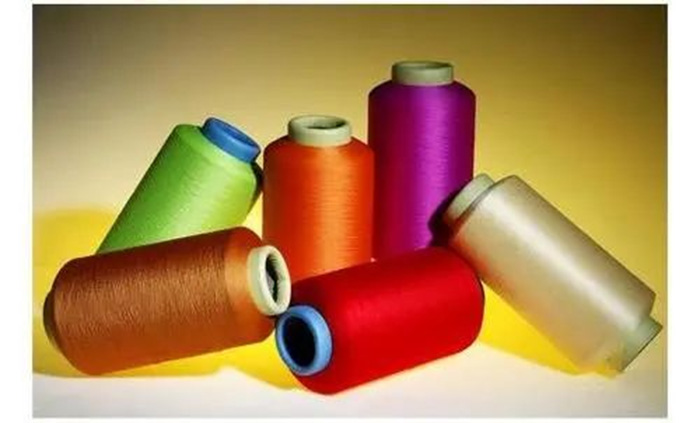
Fibre in-situ colouring is called internal fibre colouring when the colour masterbatch is added directly to the fibre viscose or fibre resin when the fibre is being pumped and spun, so that the pigment is presented in the pumping, which is called internal fibre colouring. Compared with traditional dyeing, fibre in-situ colouring will process resin and masterbatch into coloured fibre and then directly used in textile, omitting the post-dyeing and finishing process, which has the advantages of small investment, energy saving, no three wastes and low cost of colouring, etc., and it accounts for about 5% at present. The pigments used for fibre colouring masterbatches are required to have bright colour, good dispersion, good thermal stability, light resistance, solvent resistance, acid and alkali resistance, bleach resistance, insoluble in water, and inorganic or organic pigments can be chosen.
Table of Contents

With nearly 20 years in the intelligent extrusion equipment industry, he has held key roles at Jwell Machinery, including General Manager and Rotating Chairman. Since 2024, he has managed multiple subsidiaries, driving business expansion and industrial upgrades, while leading innovation in intelligent manufacturing and global growth.